Dealer Login: Access Your Secure Material

“With millions more people expected to develop Alzheimer’s disease by the middle of the 21st century, the demand for wander management systems in long term care will explode.” – The Alzheimer’s Association

Assisted Environment

In fewer than 20 years, the number of Americans over the age of 65 will grow by 50% to over 70 million, creating a growing need for senior living communities and assisted living facilities. Baby Boomers–77 million strong–have the highest life expectancy of any generation in American history. By the year 2030 they will account for 20% of the total population in the United States, and health experts estimate that at least 10 million will develop Alzheimer’s. Barring medical advancements that provide a means to prevent and treat the disease more effectively, this number is expected to grow to between 11 and 16 million people by 2050. This creates an increasing demand for supportive environments that meet the specific needs of this population while allowing them to live safely and comfortably among loving partners and family. Assisted living facilities must meet these challenges with security measures that address the risks inherent to this population but respect the choice, dignity and independence of all the residents in their care.

At Accutech Security, we are keenly aware of the impact this rapidly expanding need for assisted care is having on the healthcare industry. Accutech is a leading manufacturer of perimeter-based, RFID-enabled products to ensure the safety and security of residents in hospital and senior living settings. Our ResidentGuard Wander Management systems give Alzheimer’s, dementia and other “at-risk” residents the ability to move freely about their facilities while receiving the protection they—and their loved ones—need. Using advanced RFID technology, these perimeter-based security alert wander management systems put caregivers at ease while enabling them to direct their energies toward other critical tasks.

Already, the number of assisted living facilities and nursing homes with dedicated Alzheimer’s units is growing steadily. Alzheimer’s is the seventh leading cause of death in the United States, and as the number of people over the age of 65 spikes, so will the need to care for this population. While patients with advanced Alzheimer’s require extensive nursing resources and supervision, the course of the disease means a gradual increase in the need for more care that usually begins with just the heightened vigilance of family and loved ones. Demand for assisted living facilities and senior living communities are also on the rise, due to flexibility, cost structure, and healthy social atmosphere they make possible. They provide transition into a more supportive environment than traditional in-home services, but with less intense care and isolation than a skilled nursing facility. They frequently offer rehabilitation, wellness and social services, personal care transportation and supplemental services like shopping and banking. The average length of stay for residents in assisted living is 28 months. Causes of attrition, according to the National Center for Assisted Living: around 60 percent of residents move to nursing facilities for more extensive care, one-third pass away, and the rest move on or elsewhere. As popularity increases a growing number of services are being covered by government and other insurers. Monthly assisted living facilities cost around $2,000- $3,000.

Care of residents suffering from all forms of dementia requires preventive safety measures including wander management–the risk of elopement in this population is well known. In order to assure the supportive family of residents, as well as to protect themselves against punitive litigation, facilities must mitigate this risk with perimeter-based security and monitoring systems. Businesses who provide residential services to patients suffering from dementia face extensive regulatory requirements as well as legal threats dealing with elopement–10% of litigation against long term care facilities involve an elopement, with an average out-of-court settlement of $393,650.00 in 2009.

Senior living communities and assisted living facilities that accommodate residents who suffer from dementia need technology to help monitor those at risk for elopement while maintaining an environment that respects the choice, independence and dignity of all members of the community. Wander management is one of many systems required to meet the demands of this population and it is critical that the system be easy to use–with a minimal amount of support and training required–that it is reliable, unobtrusive and comfortable for the residents, cost effective and expandable. Accutech ResidentGuard Wander Management systems meet these critical needs with a lower cost of operation–free training and software updates, free 24-hour technical support– and easy-to-clean, long-life tags that can be turned on or off as necessary with LEDs to indicate when they are active. Accutech provides you with the flexibility you need to meet your wander management needs with affordable, reliable and expandable solutions that provide multiple security options to notify the appropriate people if residents try to leave the facility or wander into restricted areas.

As the population in the United States ages and the need for skilled nursing and assisted living communities rises dramatically, cost effective wander management solutions that are dependable, expandable, and easy to operate and install are essential to the safe and compliant operation of the facilities that will provide this care. Understanding and meeting these needs with systems that assist caregivers instead of distracting them is critical to maintaining the safety of residents. Using advanced RFID technology, our ResidentGuard wander management systems put caregivers at ease while enabling them to direct their energies toward other critical tasks. Accutech has engineered, manufactured, distributed and serviced radio frequency identification products in since 1985, making us a clear leader in the development, implementation and integration of healthcare-related security systems. Accutech continues to shape this growing industry while maintaining the dignity and safety of all the residents and patients whose safety is partially entrusted to one of our ResidentGuard wander management systems.

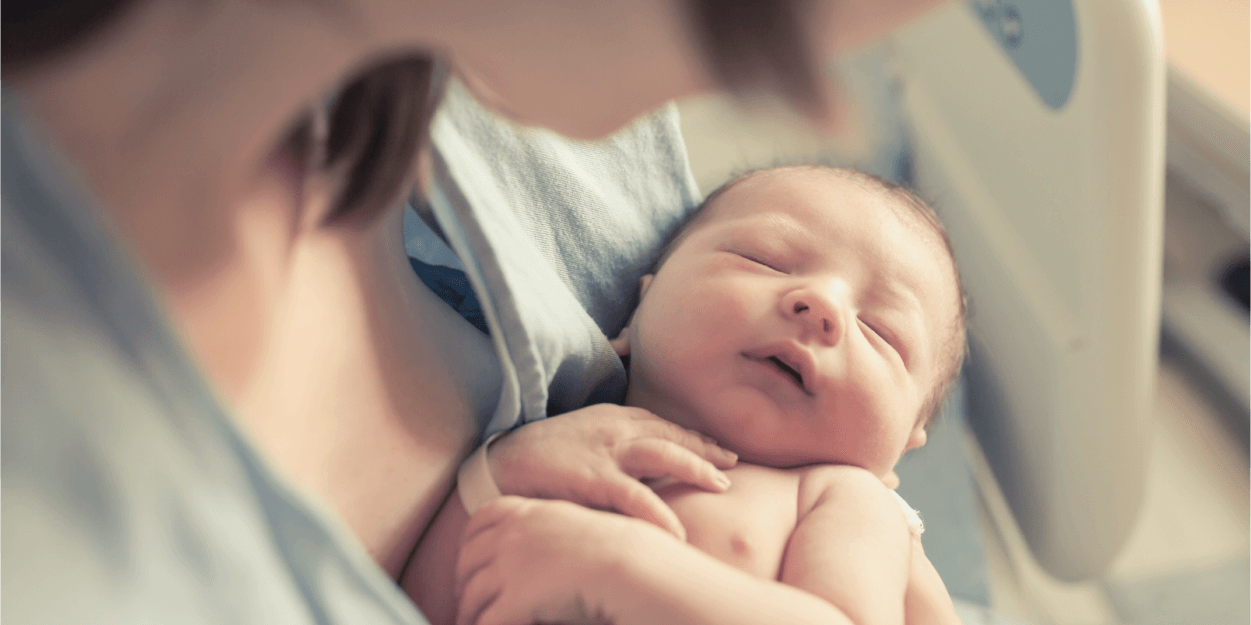
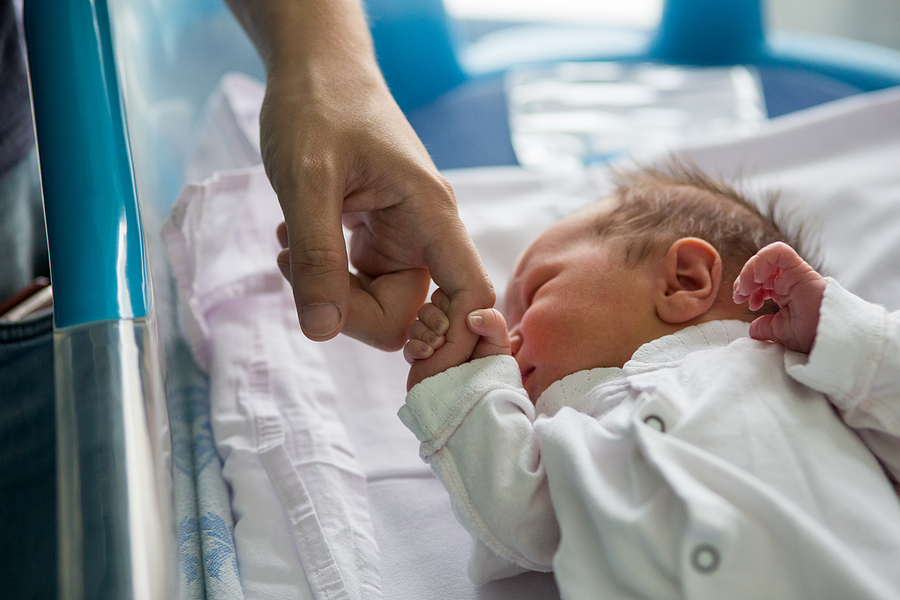
Hospital maternity wards and birthing centers must address the potential threat of abduction with security measures that track and protect their newborn patients. To safeguard against this threat, facilities deploy security systems designed specifically to maintain safety of infants in obstetric and pediatric departments using radio frequency identification (RFID) technology. With a transmitter chip attached to the infant and sensors placed near exit points, an alarm is triggered if an unauthorized person attempts to remove the baby from the designated area.

Due to electromagnetic interference and lack of design sophistication, many competing manufacturers’ RFID security systems are prone to false alarms. False alarms on maternity floors are disruptive and upsetting to new parents and can harm the serene setting being fostered by nursing staff. Maintaining a safe environment can be a challenge when continuing false alarms reduce the urgency of clearing every one. They may also lead to alarm fatigue, which reduces the urgency required to respond. Infant protection systems must be sophisticated enough to overcome these challenges and remain a trusted and effective security tool. False alarms are frequently caused by radio frequency interference caused by nearby electronics and increasingly, cell phones. The embedded ID code on the Accutech Security RFID chip in addition to the unusual frequency it is transmitted on combine to make Cuddles the most reliable infant protection system available with few to no false alarms. Any false alarms that do occur as a result of noise can be tuned out.

Cell phones are ubiquitous and can cause interference with RFID tags several ways. It is possible for the power (wattage) of a phone to cause noise and generate interfering radio frequency during transmission, or from the phone itself while in standby mode. Circuitry and metal inside a phone can cause shielding or detuning of the signal if a tag is placed next to it. These factors can also work in conjunction with each other to cause unanticipated interference. In addition to cell phones, devices such as microwave ovens, walkie-talkies, wi-fi and GPS use the radio frequency spectrum and are also sources of electromagnetic interference that can hinder the function of RFID security systems. The Cuddles Infant Protection system from Accutech Security operates at a unique frequency (418 MHz) on the edge of a range available only to the Department of Defense. This helps to make them the most interference free infant abduction protection systems on the market – meaning they have the lowest rate of false alarms that lead to alarm fatigue, unnecessary stress on staff, and have negative impacts on patient care.

The Cuddles Infant Protection system from Accutech Security transmits data using radio-frequency, for sensors to track and identify tags attached to soft bracelets worn by newborns in a birthing facility. The battery powered tags emit radio waves that contain electronically stored, unique ID which sensors can read up to a 25 meters away. Unlike a bar code, the identification code is embedded in the RFID tag and does not need to be within line of sight of the sensor to be read. Many electronic devices used in residential and commercial environments emit radio waves, and in the United States, the range of the electromagnetic spectrum they can operate within is regulated by the Federal Communication Commission (FCC). Accutech RFID-enabled security systems can also be stagger-tuned: each zone in the system can operate on a unique frequency. This helps to avoid crosstalk from zones that are located right next to or on top of each other.

Jason R. Guerrero, the Vice President & Manager of Technical Applications, states that Accutech “has tested and verified that the RF transmissions generated by smart phones, cell phones, IPADs and the like, do not interfere with or have an adverse effect related to the RF of the Accutech tags when placed in close proximity or next to each other.” He goes on to say that “Accutech tags will continue to transmit and lock a door and or create an alarm when presented at an exit monitored with the Accutech system. Additionally, if the tag is transmitting a Band Removal signal, it has also been tested and verified that no RF interference shall occur.”


For hospital birthing units, guarding against abduction is a high priority. Fortunately, providing high quality infant protection in a hospital environment is easy and affordable. The Cuddles Infant Protection system from Accutech is an (RFID) electronic security system designed specifically to maintain safety of infants in obstetric and pediatric departments. With a small, tamper-proof infant protection tag placed on the infant immediately after birth, our Cuddles Infant Protection system automatically warns hospital staff if there is an unauthorized movement of the baby toward an exit door, or if the tag is tampered with. Cuddles integrates easily with other security and access control systems your hospital may already have in place–protecting investments you have already made. Easy-to-use hardware and software work seamlessly, enabling nurses to spend less time managing a “system” and more time focusing on what matters most—caring for the babies in their care.

Learn more about preventing Infant and Pediatric Abduction in your facility:

Mother & Baby Match Feature

Safety Tips to Prevent Infant Abductions

Facility Security Suggestions

Learn About Cuddles from Accutech

The Future of Wander Management

A new study from the Rush Institute for Healthy Aging in Chicago demonstrates again that the rate of people suffering from Alzheimer’s in the United States could triple by the year 2050–from 5 million currently to about 13.8 million. “We’re going to need coordinated efforts for this upcoming epidemic,” says lead author Jennifer Weuve. “People have trouble getting their heads around these numbers, but imagine if everyone in the state of Illinois (population 12.8 million) had Alzheimer’s. I look around Chicago and can’t imagine it.” At Accutech Security, we are keenly aware of the impact this will have on the healthcare industry and the rapidly increasing need for skilled nursing facilities.

When someone suffers from Alzheimer’s disease, everyone who is close to them is affected. Caring for loved ones takes a tremendous amount of time and effort and comes with many stresses unique to someone afflicted with dementia, such as wandering and egress. The constant concern associated with taking care of someone at risk of wandering is often what causes families to seek skilled nursing facilities. A key component of full time residential care is a controlled environment with a wander management system such as ResidentGuard from Accutech.

As the baby boom generation ages and the United States undergoes a tremendous demographic change, studies like the one cited above show an alarming need for new means to support this aging population. In addition to growth in skilled nursing capacity, there is an obvious need for residential wander management solutions that can allow a person suffering from Alzheimer’s to remain in the care of their loved ones while maintaining the safety and security that is essential to their wellbeing.

As a leading manufacturer of advanced electronic monitoring and security systems for the healthcare market since 1985, Accutech has engineered, manufactured, distributed and serviced radio frequency identification (RFID) and wireless security products. As security needs evolve and grow and new solutions emerge, Accutech remains committed to meeting the challenge of providing means for compassionate and secure care to those suffering from Alzheimer’s disease wherever they reside.

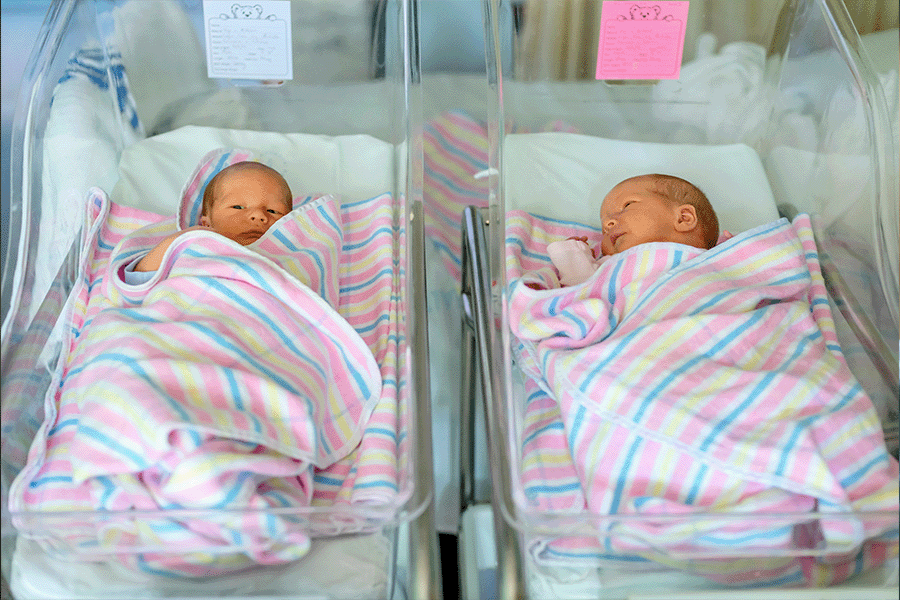
Babies switched at birth – the story strikes fear into the heart of every parent. In December 2012 in Minneapolis, new mother Tammy Van Dyke’s day-old baby was accidentally placed in the incorrect bassinet on the morning they were to be sent home together. He was given to the wrong mother and breastfed before the nursing staff realized the mistake and were able to identify both babies correctly. The other mother had to wait twenty minutes until her baby was located and confirmed.

No lasting harm was done, but both mothers experienced the overwhelming fear of losing their newborn child and were very upset with the hospital. Van Dyke told ABC News in Minneapolis “She was just as distraught as me that this happened to her, and in the meantime, also didn’t know where her baby was. She has twins.”abc_baby_mix-up_nt_121207_wg

The hospital released a statement from the Chief Clinical Officer (and Obstetrician) saying “I have personally seen verification of the infant’s identifying name band matched correctly with the mother’s on hundreds of occasions. It is extremely unfortunate that was not the case this time. We sincerely apologize to the involved families and will make certain we understand why our procedures were not appropriately followed in this case.”

This case illustrates a fundamental truth – that even well-trained, vigilant and committed staff in a world-class healthcare facility can make mistakes. Cuddles Infant Protection System from Accutech Security offers a mother-baby match feature that ensures a procedural oversight like this does not lead to mishap. Our RFID-enabled, non-allergenic Infant Tags let you know that every infant under your care is safe. Each tag is uniquely identifiable, giving you the ability to instantly match mother and baby – electronically. The mother-baby match is just one important feature offered with the Cuddles Infant Protection System to ensure the security of infants in your care while meeting the unique needs of nurses and the concerns of new parents.

“You put your baby in the nursery, not even 48-hours old, and you think they’re safe,” Van Dyke said. “I’m holding it together. I’m just in disbelief, and it was like I was in a dream, a bad dream, and I couldn’t get it to stop.” RFID-enabled security products from Accutech Security ensure the safety and security of patients in your facility – leading to satisfied customers and protection from liability.

In a study just published in the journal Nature Neuroscience, scientists at the University of California, Berkeley, show a connection between decreased slow brain waves generated during deep sleep and memory loss/brain deterioration as we grow older. This evidence that slow waves in the frontal brain help strengthen memories gives hope to therapeutic treatments for memory loss in the elderly.Senior man sleeping in bed. Image shot 2009. Exact date unknown.

The senior author of the study, UC Berkeley sleep researcher and associate professor of psychology and neuroscience, Matthew Walker, summed it up by saying “What we have discovered is a dysfunctional pathway that helps explain the relationship between brain deterioration, sleep disruption and memory loss as we get older — and with that, a potentially new treatment avenue.”

Non-rapid-eye-movement (REM) or deep sleep usually accounts for one-quarter of a healthy adults’ night sleep. During this time, slow waves are generated by the middle frontal lobe. These restorative slow waves influence how memories go from the hippocampus, where memories are stored temporarily, to the prefrontal cortex for long-term storage. The study finds that deterioration of this frontal region of the brain (called Medial prefrontal cortex gray-matter atrophy) in elderly people is linked to their failure to generate sufficient deep sleep. Lack of sleep compromises pathways between the hippocampus and the prefrontal cortex leaving memories susceptible to being “overwritten” and unable to be stored long-term.

Researchers at UC Berkeley will be conducting sleep-enhancement studies in older adults to determine if increased REM can enhance memory and prevent brain deterioration as a result of aging. “Can you jump start slow wave sleep and help people remember their lives and memories better? It’s an exciting possibility,” said Bryce Mander, a postdoctoral fellow in psychology at UC Berkeley and author of this latest study.

This exciting research suggests that we are moving closer to understanding ways to avoid maladies of aging such as dementia and alzheimer’s. Alzheimer’s disease is not a normal part of the aging process and accounts for 50-80% of dementia cases. Getting 7-8 hours of uninterrupted sleep a night is one of the Alzheimer’s Association’s six pillars of a brain healthy lifestyle. Evidence in studies like this suggest that preventative measures can be taken to reduce the chances, stave off the disease or increase quality of life of those already afflicted.

In order to help you determine which system meets your facility’s needs and give you an accurate quote, we will need specific information regarding control and egress in your facility. Regardless of whether you need an infant protection, pediatric elopement, or wander management system, we want to determine:

• How many doors will need to be protected? Are they single or double doors?
• Do you want the doors to lock on approach of a patient/resident tag?
• Do you have any elevators that need to be incorporated as well? If so, do you want the system to stop the elevators on approach of a patient/resident tag?
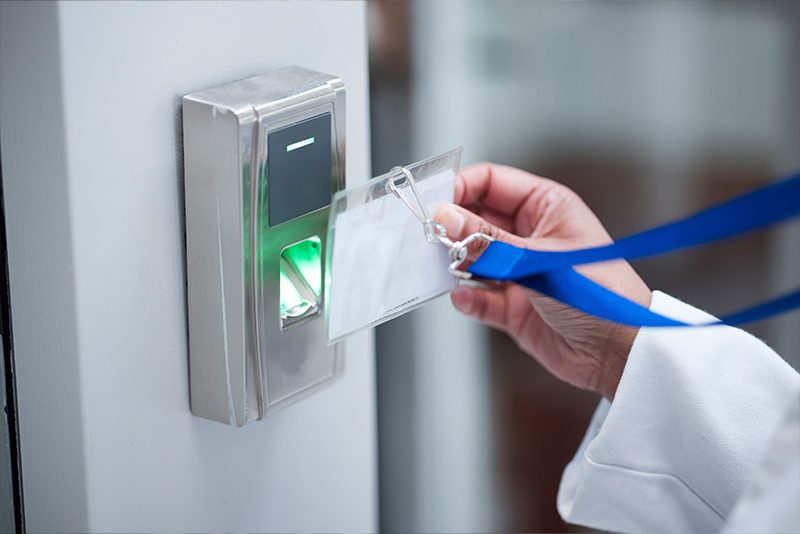
• Do you want the door alarms integrated with your existing access control systems (keypads and/or proximity cards)?

Once it is clear how many entry/exit points exist on the perimeter, we need to determine how and where you would like your staff alerted to security breaches. Alarms can be audible or visual (strobe light), can broadcast locally at the site of the infraction or centrally at a nurse or security station, and can be delivered via a nurse call or paging system. It is also possible to deliver these alerts in any combination of the possibilities listed here.

In addition to these general guidelines, there are also some questions specific to the type of system you are interested in. For facilities seeking alerts for wander management, we will also need to know if you are interested in individual resident ID and reporting, and loitering and door ajar features. With our infant protection and pediatric elopement systems, we need a floor plan to determine how many antennas will be necessary to detect band removal anywhere in the protected area.

We also offer two-way radios and paging systems that integrate seamlessly with our ResidentGuard, Cuddles and Kidz security systems. Our compact, two-way radios gives health care facilities an effective, low cost communication tool for staff as well as a customizable alarm notification device. Our hospital paging software and pagers increase efficiency and create operation-wide coordination in hospitals, nursing homes and assisted-living facilities. As an industry leader in the wander management, infant protection, and pediatric elopement fields, we are committed to the ongoing development, implementation and integration of high quality, cost-effective, health care related security systems backed by the industry’s most comprehensive customer support program.

Accutech is a leading manufacturer of perimeter-based, RFID-enabled products to ensure the safety and security of patients in hospital and senior living settings. There are many reasons why hospitals and nursing facilities choose to install or upgrade their security systems using Accutech RFID-enabled products.

• we offer stand-alone or software-based systems
• our products use advanced RFID technology to minimize false alarms
• all of our systems can be easily integrated with nurse call, electronic access control (EAC), closed-circuit television (CCTV), fall detection and other existing security mechanisms within your facility.
• all of our systems are backed by the industry’s most comprehensive customer support program – including free 24-hour technical support.


Preventing Alzheimer’s & Wandering

Alzheimer’s disease is the most common form of what is known as dementia, a general term for memory loss and other intellectual abilities. Alzheimer’s accounts for 50-80% of dementia cases. It is not a normal part of aging and there is some evidence that preventative measures can be taken to reduce the chances, stave off the disease or increase quality of life if it does manifest. And while we can’t fix how old we are (wouldn’t that be great?) we can do a few things to make our brains and ourselves, a little bit better.

The Alzheimer’s Association has a few tips and Helpguide.org has what they’ve named The Six Pillars Of A Brain Healthy Lifestyle.

Physical exercise:

According to the Alzheimer’s Research and Prevention Foundation, physical exercise may reduce your risk of developing Alzheimer’s disease by 50 percent.

Healthy diet:

A good diet, low in saturated and trans fats and high in omega-3 fats is a good way to keep your brain healthy. A diet rich in fruits and veggies and low on red meat, eaten in 4-6 smaller meals rather than three larger meals is also recommended.

Mental stimulation:

Keep that brain active and curious. Learn new things, maintain interactions with friends and family and continually challenge your mind with activities like cross-word puzzles or learning a new language and keep those neurons firing.

Get some sleep:

Keeping to a regular sleep schedule, without interruption, and for at least 7-8 hours will keep your brain healthy. Sleep deprivation impairs your ability to think and problem solve.

Stress management:

Stress can take a real toll on the brain, leading to actual shrinkage in the memory area, hampering nerve cell growth and increasing the risk of developing Alzheimer’s. Learn how to relax and keep it under control.

Keep an active social life:

We are social creatures and need interaction. Studies show the more connected humans are the better we fare with memory and cognition tests. Staying social may decrease the chances of getting Alzheimer’s and frankly, it’s more fun than sitting along watching reality TV.

All of these tips make for a happier and healthier life and if they also help keep Alzheimer’s disease out of your life that’s the cherry on the top.


Spending Christmas With Alzheimer’s

Memories can be scarce for someone with Alzheimer’s. And as Christmas approaches there are things you can do for a loved one who seems to be slipping away. It may be hard to see someone you care about becoming someone who doesn’t know you, but take the time to love and comfort them and you’ll both feel better.

So what can you give someone with Alzheimer’s for Christmas?

Create a photo album. Collect pictures from their entire life, including childhood if possible. Many Alzheimer’s patients can call up memories from years gone by while forgetting what happened yesterday.

Convert old family movies to DVD and add current content. These movies can be played by hospital staff to comfort them when you can’t be there.

Listen to music! It’s been proven that music is a great stimulant for people who suffer from Alzheimer’s.

People who suffer from Alzheimer’s may exist in a purely tactile world. A soft blanket or robe or even a stuffed animal can comfort them if they become agitated.

Just talk. If your loved one is in a residential facility they simply may not have anyone to talk to who can fill in the blanks or bring some sort of familiarity. If they are still in the home the caregiver may be so busy looking after them that they forget to just sit, hold hands and talk.

Write their memoirs. An Alzheimer’s patient who has been recently diagnosed may be able to help you record the details of their life. Let them relive the moments that were meaningful to them and record them for the future when these memories will escape them.

Families and friends of those who suffer with Alzheimer’s disease may feel especially sad at this time of year but it can be turned into a celebration of their lives and how thankful that we were there to experience it with them.

Accutech wishes all those affected with Alzheimer’s and dementia and their families and friends a warm and happy Christmas filled with new memories and full hearts.


According to the U.S. Department of Health and Human Services the average hospital birth costs around $10,000. Add any complications or Caesarean sections and the price can jump to more than $20,000.

But that doesn’t include the costs of some of the most luxurious birthing suites where celebrities and those who have, well, much larger checkbooks than you or I might have can choose to deliver their babies.. When you were checking out maternity hospitals did you have a 24-hour concierge on your list?

The Ronald Reagan UCLA Medical Center Birthing Suite

It’s also not uncommon for posh moms to have massage therapists, make-up artists, aroma therapists and even personal chefs as part of their birthing entourage. Professional videographers and photographers may be on hand to record the birth much like James Cameron documented the Titanic.

Add to that the ultra high-end birthing suites in hospitals in the luxury capitals of Los Angeles and New York and you might think having a baby is more like a vacation than what it really is: asking a turkey to run through a keyhole.

Take Cedars-Sinai in Los Angeles. Amenities include a personal doula and a three-room suite for an additional $3,784. Also wandering around are a manicurist, hair stylist and pedicurist. A little Kardashian and a little Beckham entered the world in one of these suites.

How about Mount Sinai in New York? The luxury suites overlook Central Park and offer post-partum massages, ultra-soft swaddling blankets and other fun stuff. A little Diddy and a baby Paltrow had their debuts here.

And lastly the Ronald Reagan UCLA Medical Center in L.A. Medical supplies are hidden away lest they disturb the serenity of the wood paneled walls and subdued overhead lighting. Food is delivered by a tuxedoed “food ambassador” and rooms come with a multitude of electronics so husbands won’t miss the game and new moms can keep up with “The Bachelor”.

These birthing suites can had by mere mortals as well, so moms-to-be can feel just as pampered and comforted as Beyonce or Nicole Kidman. But no matter whether you’re tabloid news or just a happy new parent it all comes down to a soft new life, endless diaper changes and the pure joy of having a new baby.

Not that a concierge would be all that bad.

Birthing suite news comes from Parents Magazine.

 Page 1 of 6  1  2  3  4  5 » ...  Last »